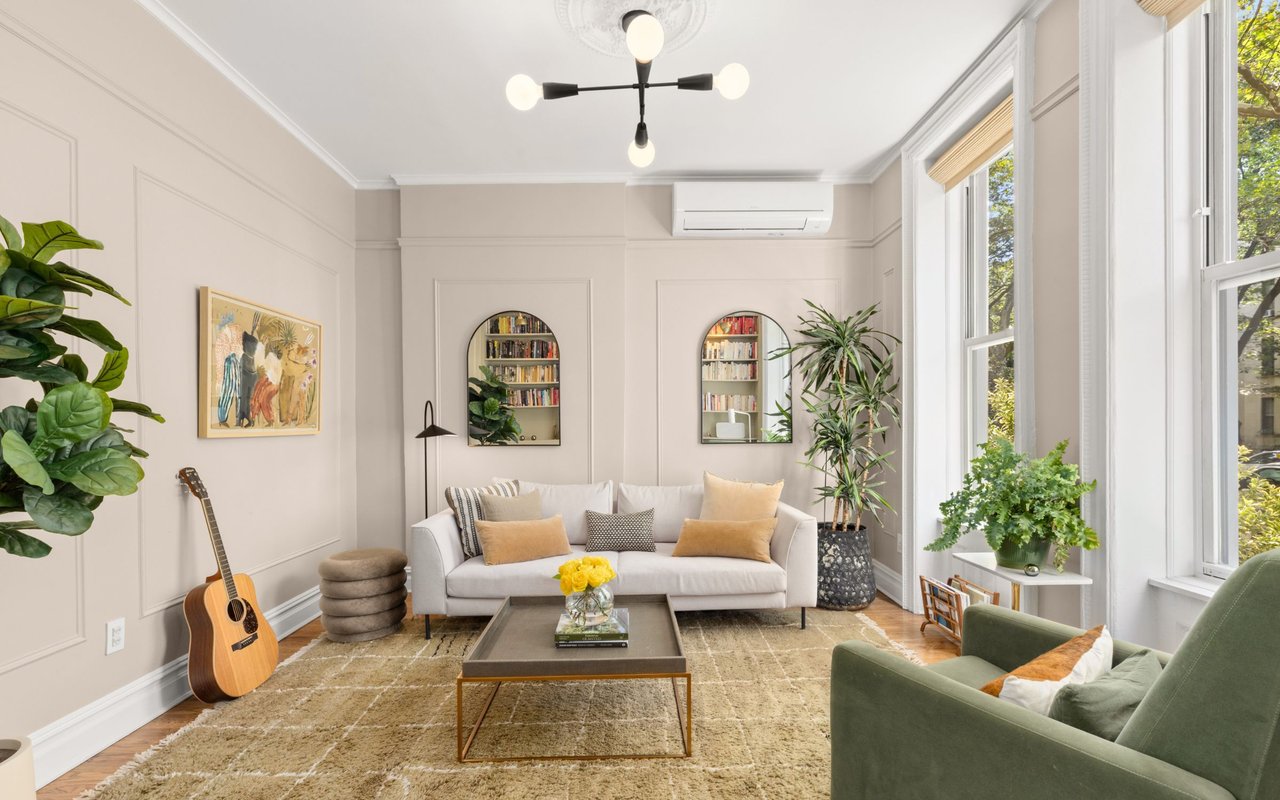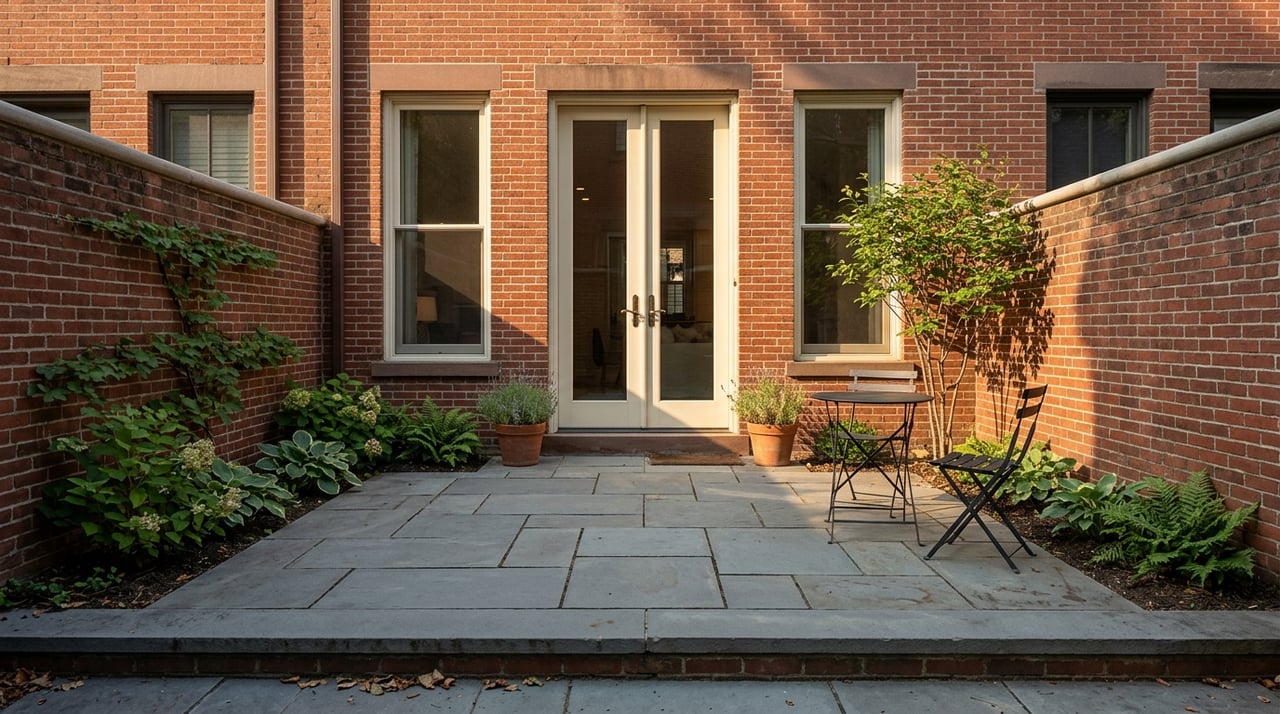
Wondering whether Crown Heights is the right Brooklyn neighborhood for your home search? It is a place with a lot to take in at once: historic blocks, busy commercial avenues, major cultural institutions, and strong transit connections that can change block by block. If you are trying to picture daily life here, this guide will help you understand what Crown Heights looks like on the ground and what to pay attention to as you shop. Let’s dive in.
Crown Heights in One Snapshot
Crown Heights is a Brooklyn neighborhood where older housing stock, active commercial corridors, cultural landmarks, and strong transit links overlap. That mix gives the area a distinct identity that feels rooted in prewar Brooklyn rather than defined by new development.
The city’s commercial district assessment describes Crown Heights as culturally diverse and walkable, with strong local business activity and well-known restaurant corridors. For you as a home shopper, that means the neighborhood experience is not just about the apartment or house itself. It is also about how each block connects to stores, parks, transit, and daily routines.
Housing Styles You’ll See
If you are drawn to classic Brooklyn architecture, Crown Heights offers a lot to explore. Landmarks Preservation Commission materials for Crown Heights North III describe more than 600 buildings, including single-family and two-family row houses, flats buildings, and apartment houses built mainly from the 1870s through the 1930s.
In practical terms, that often means attached houses, low-rise apartment buildings, and prewar housing stock. The streetscape can feel consistent and layered, with older facades and details that give many blocks a strong architectural identity.
You may also come across building types that suggest co-op-style living, especially in older apartment houses. What matters most is that the housing mix is varied, so your search may include brownstones, townhouses, apartments in prewar buildings, and other classic Brooklyn formats depending on your budget and goals.
Historic Districts Matter for Buyers
In Crown Heights, exterior changes are not always a simple owner decision. The Landmarks Preservation Commission says it must approve most alterations to designated buildings, including properties within historic districts.
That matters if you are considering a townhouse, brownstone, or another landmarked property and already imagining renovation plans. Window replacements, facade work, doors, railings, and other exterior updates may require review. If historic character is part of what attracts you to the neighborhood, it is also part of what can shape ownership responsibilities.
Commercial Corridors Shape Daily Life
Two avenues come up again and again in Crown Heights: Franklin Avenue and Nostrand Avenue. The city’s Small Business Services assessment identifies both as major dining and nightlife corridors, and it describes the neighborhood as having a strong local business culture.
For you, this can translate into more choices within walking distance, especially if you want easy access to restaurants, cafes, and everyday retail. It can also mean more activity on certain corridors than on the quieter residential blocks nearby. That contrast is part of what makes Crown Heights worth evaluating at a very local level.
Cultural Anchors Add Depth
Crown Heights is not only residential. It also sits near several major cultural and civic destinations, especially around Eastern Parkway. The city assessment points to the Brooklyn Children’s Museum, Jewish Children’s Museum, Brooklyn Museum, Prospect Park, and Medgar Evers College as important nearby anchors.
Weeksville Heritage Center adds another important layer. The organization describes itself as a historic site and cultural center preserving the history of Weeksville, one of the largest free Black communities in pre Civil War America, and serving as a cultural anchor for Crown Heights and beyond.
If you value a neighborhood with built-in destinations, public-facing institutions, and a strong sense of place, this is a meaningful part of the Crown Heights picture. It helps explain why the neighborhood can feel active and culturally connected beyond its residential streets.
Parks and Open Space Nearby
Prospect Park is the major green space near Crown Heights. Prospect Park Alliance describes it as a 585-acre oasis with trails, playgrounds, woodlands, meadows, and a range of destinations around the park.
That kind of access can be a real advantage if outdoor space matters to you. Whether you want room for long walks, playground time, or a broader sense of breathing room in Brooklyn, proximity to Prospect Park is part of the neighborhood’s appeal.
For closer everyday options, Crown Heights also has smaller neighborhood parks. Brower Park, at Brooklyn Avenue and Park Place, includes accessible play elements, public restrooms, and playground facilities, according to NYC Parks.
Lincoln Terrace / Arthur S. Somers Park is another nearby recreation option with athletic facilities, a comfort station, and a playground. Together, these parks give you layers of open space: a major destination park nearby and local parks woven into everyday life.
Transit Is a Real Strength
Crown Heights is transit-rich, but not in a one-size-fits-all way. The city’s assessment says the neighborhood has multiple subway and bus routes and a Long Island Rail Road station, while the MTA says the Franklin Avenue Shuttle connects riders to the A and C at Franklin Av/Fulton St, the Q at Prospect Park/Empire Blvd, and the 2, 3, 4, and 5 at Botanic Garden/Eastern Parkway.
That is a big reason many buyers keep Crown Heights on their shortlist. You can find strong connectivity here, but the level of convenience depends a lot on the exact block, the nearest station, and whether you rely on direct service or transfers.
If your commute or routine is a top priority, it is worth looking beyond the neighborhood label. In Crown Heights, being a few blocks closer to one avenue or transfer point can change the feel of a home search in a very practical way.
Why Block-by-Block Shopping Matters
One of the most useful ways to approach Crown Heights is to avoid thinking of it as one uniform experience. The same city assessment that highlights walkability and business activity also points to corridor-level challenges such as garbage pickup, graffiti, sidewalk conditions, double parking, and some nighttime safety concerns.
That does not mean the neighborhood can be summed up by any one issue. It means your experience may vary depending on the specific block, avenue, and building type. A quiet residential rowhouse block can feel very different from a home just off a busier commercial corridor.
When you tour, pay attention to the details that shape your day-to-day life:
- Distance to your nearest subway stop
- Amount of foot and car traffic on the block
- Proximity to restaurants and retail
- Nearby park access
- Building type and maintenance needs
- Whether the property is in a historic district
This kind of close reading matters in most Brooklyn neighborhoods, but especially here.
Who Crown Heights May Suit
Crown Heights can work well for buyers who want classic Brooklyn housing, strong transit access, and a neighborhood with cultural depth. It may also appeal to shoppers comparing nearby areas and looking for a mix of residential character and active local corridors.
If you are searching for a brownstone, townhouse, condo, or a home in a prewar-style building, Crown Heights offers a broad visual and architectural range. And if you care about how a neighborhood feels beyond the listing photos, this is the kind of place where walking the blocks can tell you a lot.
What to Keep in Mind as You Search
The biggest takeaway is that Crown Heights rewards a thoughtful search. Its housing stock, historic districts, transit options, and commercial corridors all create opportunity, but they also make nuance important.
That is where local guidance can make a real difference. When you understand not just the neighborhood name but the differences from one block to the next, you are in a better position to recognize value and choose a home that truly fits your life.
If you are considering Crown Heights and want a grounded, block-by-block perspective on Brooklyn homes, Laura Hess can help you navigate the search with clarity, strategy, and local insight.
FAQs
What types of homes can you expect in Crown Heights?
- Crown Heights includes single-family and two-family row houses, flats buildings, and apartment houses, with much of the housing stock built from the 1870s to the 1930s.
Why do historic districts matter in Crown Heights?
- If a property is in a historic district, most exterior changes require approval from the New York City Landmarks Preservation Commission.
What are the main commercial corridors in Crown Heights?
- Franklin Avenue and Nostrand Avenue are identified by the city as the neighborhood’s main dining and nightlife corridors.
How is park access in Crown Heights?
- Crown Heights offers access to Prospect Park as a major regional green space, plus local options like Brower Park and Lincoln Terrace / Arthur S. Somers Park.
How good is transit in Crown Heights for Brooklyn home shoppers?
- Transit is one of the neighborhood’s strengths, with multiple subway and bus routes, a Long Island Rail Road station, and Franklin Avenue Shuttle connections to several major lines.